







Search Results for: small-cup coffee

A roundup of espresso-based small cups you can finish in two or three sips: the flavors and methods of Espresso, Piccolo, Macchiato, and Con Panna
Coffee, as one of the world's three major beverages, has developed a rich and diverse drinking culture over its long evolution. Among these, small-cup espresso drinks are deeply favored by enthusiasts for their efficiency—consumable in just two or three sips—and their concentrated flavors. In this article, Front Street Coffee will systematically introduce four classic small-cup coffees: Espresso as the base, Piccolo known as the "small latte," Macchiato whose name derives from "marked," and Con Panna made with espresso and cream. We will analyze each one's origin, preparation method, and flavor characteristics, giving you a quick understanding of the unique charm of these small-cup coffees. [more…]
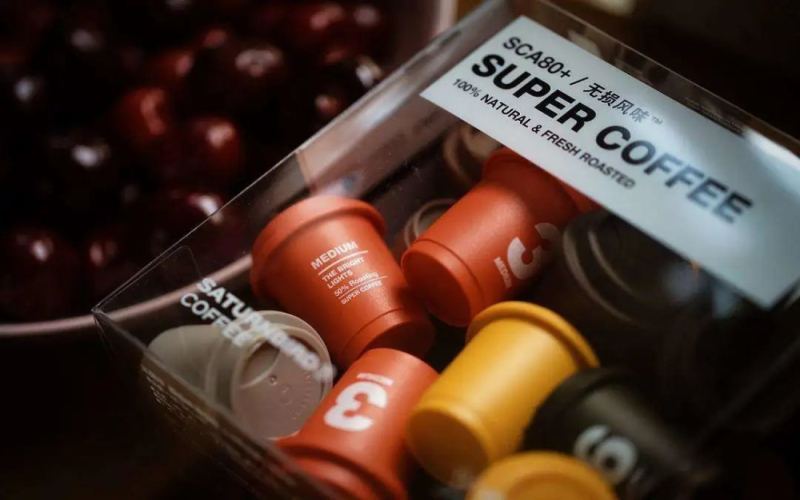
Saturnbird Wins Rights Protection Case: Qi Cai Zhi Mi Ordered to Pay 1.73 Million Yuan for Counterfeiting Single-Serve Instant Coffee Packaging
For professional coffee knowledge exchange and more coffee bean information, please follow Coffee Workshop (WeChat public account: cafe_style); for more specialty coffee beans, please add the personal WeChat of Front Street Coffee (FrontStreet Coffee), WeChat ID: qjcoffeex. Recently, the case in which Saturnbird, over the course of 20 months, sued "Qicai Zhi Mi" for unauthorized use of a similar small-cup instant coffee appearance reached a result. The Hangzhou Intermediate People's Court found that unfair competition was constituted, awarded 1.73 million yuan in damages, and ordered the production and sale of the infringing products to stop. Saturnbird became famous for its super-instant coffee and mini coffee cup design, and its packaging sparked a DIY craze and swept social media, which is why it has frequently been imitated and even copied. In this case, "Qicai Zhi Mi" not only had highly similar style, packaging, and promotional images, but also used the search term "Saturnbird same style" to mislead consumers. The case lasted nearly two years, highlighting the current reality in the food industry that intellectual property rights protection is difficult and the boundary between reference and copying is blurred. The article combines cases such as Sexy Tea suing Chayan Guanse to explore how original brands can protect their rights and interests through copyright, patent rights, exclusive trademark rights, and the Anti-Unfair Competition Law. [more…]
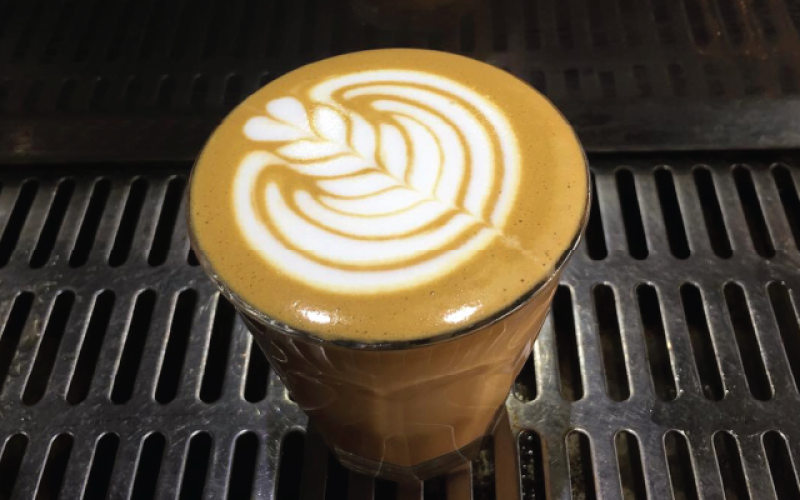
Why Is the Piccolo Latte So Hard to Find in China? A Full Analysis from Australian Coffee Culture to Flavor Characteristics
In Australian cafés, Flat White and Piccolo Latte are equally common, but the former has long since blossomed everywhere in China, while the latter rarely appears on menus. Why does this disparity exist? What kind of coffee is Piccolo Latte exactly, and what makes its flavor so distinctive? From the perspective of Front Street, this article traces the background of Piccolo Latte's popularity in Australia, its origins with Flat White, and how the domestic market environment affects acceptance of this small-volume coffee, giving you a comprehensive understanding of this underrated coffee drink. [more…]
Electrolux ECM4100 Drip Coffee Maker Review: A Home Brewing Guide with Geisha Coffee Beans
Among home coffee machines, drip models are favored by many enthusiasts for their simple operation and quick brewing. The Electrolux ECM4100, as a fully featured drip coffee machine, is equipped with digital smart controls, an LCD display, an adjustable grinder, and an activated carbon water filtration tank. It can use either coffee beans or directly added ground coffee, and also supports scheduled brewing and a small-cup rich flavor mode. To get the ideal results from this machine, Front Street believes the choice of coffee beans is crucial. This article will review the main specifications and functions of the ECM4100, and recommend Geisha coffee beans suitable for home use, including Front Street Granja Estate Geisha and Front Street Geisha SOE, helping readers find a pairing that offers both floral and fruity notes and sweetness. [more…]
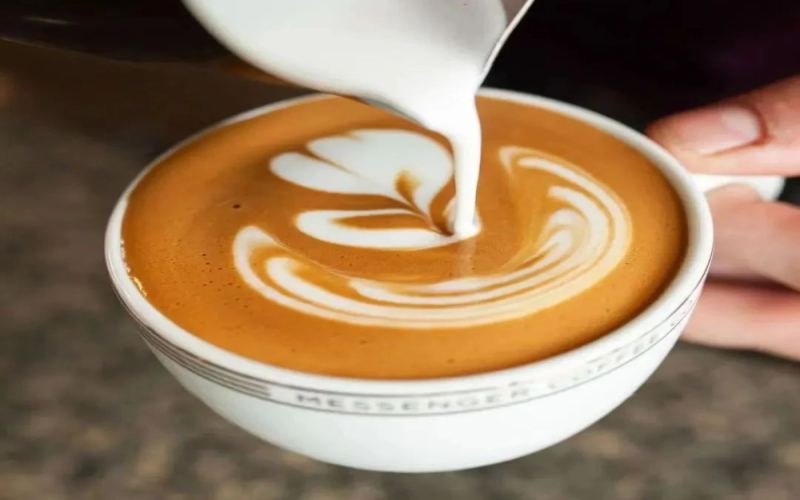
Dirty Coffee: The Making Principles and Why It Became Popular – From Espresso Layering to a Multi-Layered Taste Experience
Dirty coffee is an Italian-style beverage born from the collision of espresso and cold milk. With its slowly sinking crema layer and the alternating hot-and-cold drinking experience, it quickly rose to fame in specialty coffee shops. Starting from Front Street Coffee's brewing parameters, this article traces the origins of Dirty, including Katsuyuki Tanaka's B.P Dirty in Japan and the early practices of "layered coffee" in China, and analyzes why this small-cup coffee became a viral product: it fills the visual gap of iced coffee while offering a layered progression from hot to cold and from bitter to sweet. [more…]
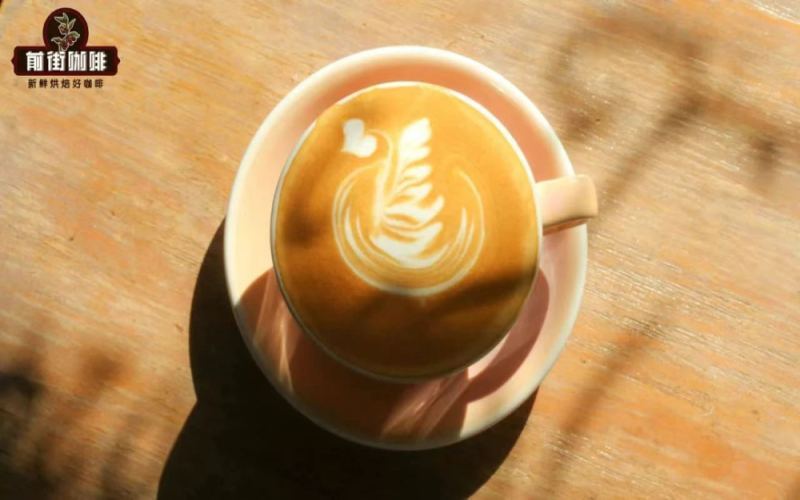
What exactly is a semi-latte? A full analysis of the espresso, milk, and cream ratios in a Breve coffee and how it differs from a latte
Everyone is familiar with lattes, but do you know what a "half latte" is? It's not a small latte, nor a latte with less espresso, but rather a popular Italian-style coffee in the United States—the Breve. The Breve is almost identical to a latte in cup size and preparation method, with the key difference being the dairy: milk makes up only half, and the other half is replaced with cream. Because of this, it's jokingly called a "half latte." The fat from the cream makes the texture richer and smoother, and the coffee flavor more pronounced. This article will guide you through the origins of the Breve, its specific differences from a latte, and share Front Street Coffee's complete preparation process and ratio recommendations, including the proportions of espresso, milk, and cream, as well as steps like frothing, blending, and latte art, to help you easily recreate this rich and smooth coffee at home. [more…]
How should you drink espresso to get it just right? A full breakdown of when to stir and when to take big sips
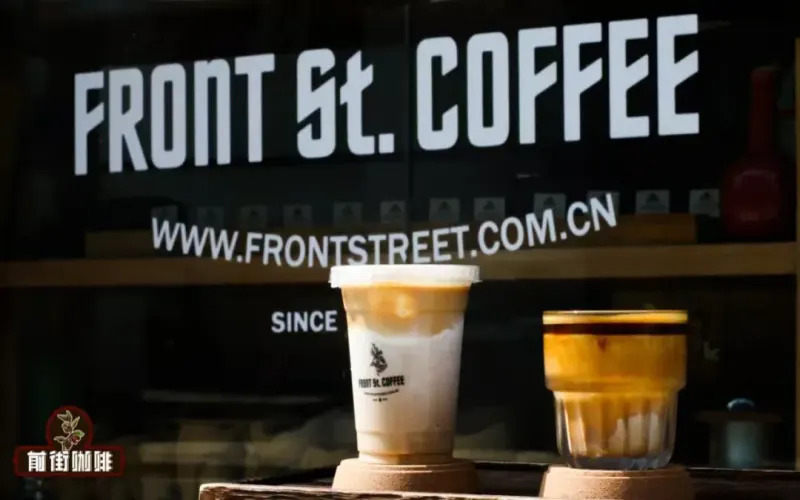
When a cup of coffee is placed in front of you, should you stir it or just take a big gulp? There is no uniform answer to this question—the key lies in the drink's own design intent. In this article, Front Street Coffee sorts out two categories of drinking methods: espresso, iced latte, flavored coffee, and the like need to be stirred before drinking because of their layers, otherwise they will either taste thin, or one sip will be all syrup; while Dirty, Con Panna, hot latte, cappuccino, and espresso-derived small-cup products emphasize not stirring and taking a big mouthful, so that you can simultaneously experience the double contrast between espresso and milk in temperature and flavor, or take in the milk foam and cream along with it. The article also explains the principle behind how the layers form, and the aromatic and sweet lingering aftertaste brought by the retronasal breath after swallowing a big mouthful. Finally, Front Street also reminds us that there is no fixed rule for how to drink—just follow your own preference. [more…]
Are Australian White, Fu Rui White, and Australian Rui White the same coffee? A full analysis of the origin, flavor, and home brewing of Flat White
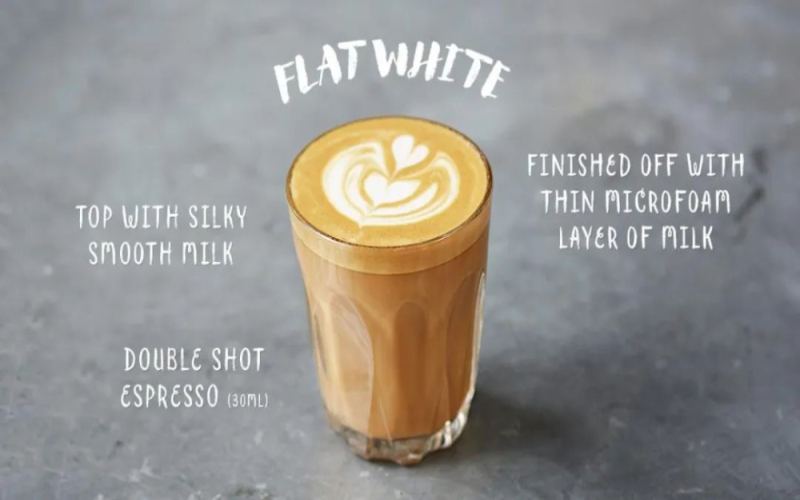
Walk into any coffee shop, and the Australian White, Flat White, Aussie White, and Artisan White on the menu all actually point to the same drink—Flat White. It has thinner milk foam and a stronger coffee flavor, and in recent years it has been highly sought after in the specialty coffee wave. This article will start with the controversy over the origin of the Flat White, sort out its essential differences from a latte, analyze the philosophies of baristas from different origins, and share Front Street Coffee's complete parameters and production steps for recreating this rich milk coffee at home, taking you through a comprehensive understanding of this small-cup classic Italian milk coffee. [more…]
Is SOE Coffee the Same as Single-Origin Black Coffee? Explaining the Meaning of Americano SOE and a Guide to Choosing Espresso Beans
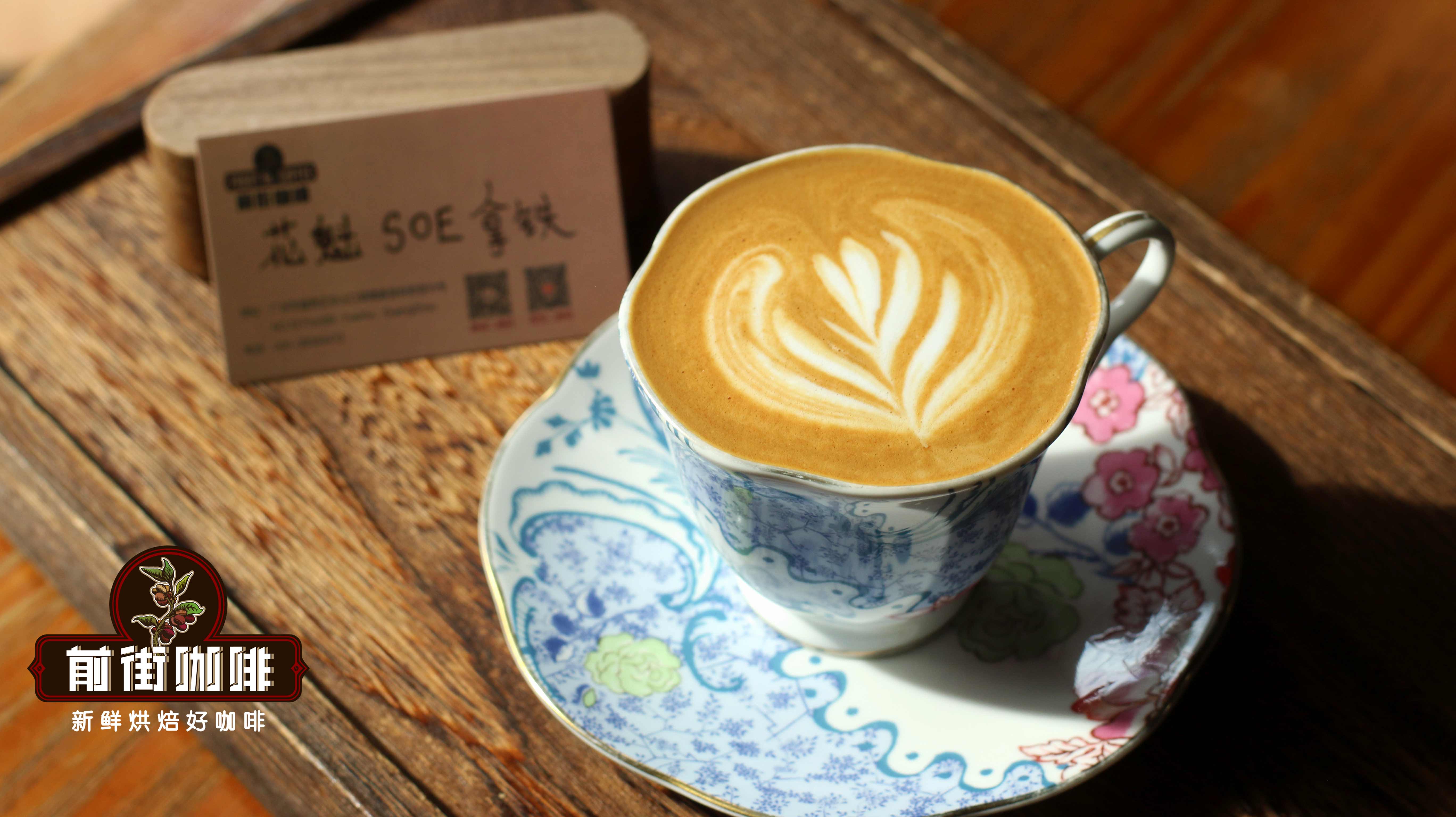
When ordering at a coffee shop, you may often see SOE latte or SOE americano options, but what exactly does SOE mean? Is it equivalent to single-origin black coffee? This article starts with the definition of SOE, sorts out its differences from traditional blend beans, explains SOE's characteristics and difficulties in extraction, and recommends three Front Street single-origin coffee beans suitable for making espresso, helping you better understand and choose SOE espresso beans. [more…]
Spanish Cortado Coffee: A Balanced 1:1 Espresso and Hot Milk Drink and Its Flavor Characteristics
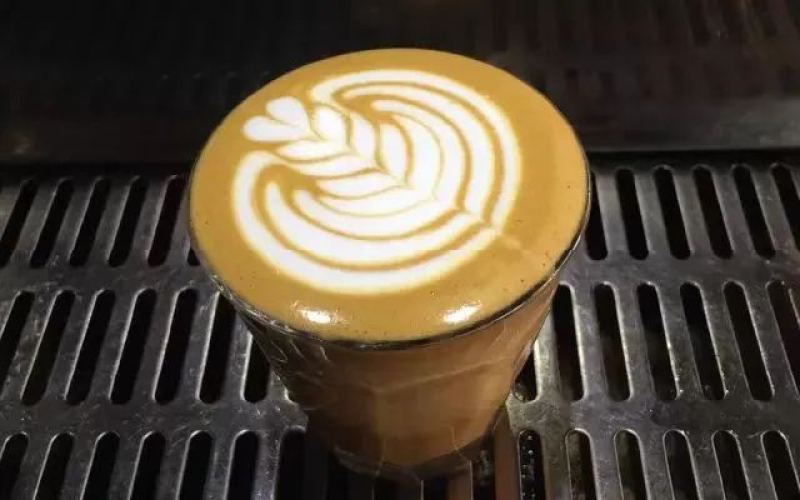
In the espresso family, Espresso can be transformed into countless drinks, and today Front Street wants to talk about the Cortado, which is one of them. It comes from the Basque region of Spain, and is made by using an equal amount of hot milk to "cut" the strong bitterness of the espresso, while still letting the coffee aroma take center stage. Compared with the piccolo latte, which is also a small cup, the Cortado has a stronger coffee flavor, with milk only playing a supporting role. This article will take you through the origin of the Cortado's name, its classic 1:1 ratio, the interesting story of how its milk foam evolved, and how it differs from the piccolo in terms of recipe and taste. If you also like adding a little milk to your espresso, then you may have already had a Cortado. [more…]
What Is Ristretto Espresso? Extraction Methods for Ristretto and Recommended Coffee Beans
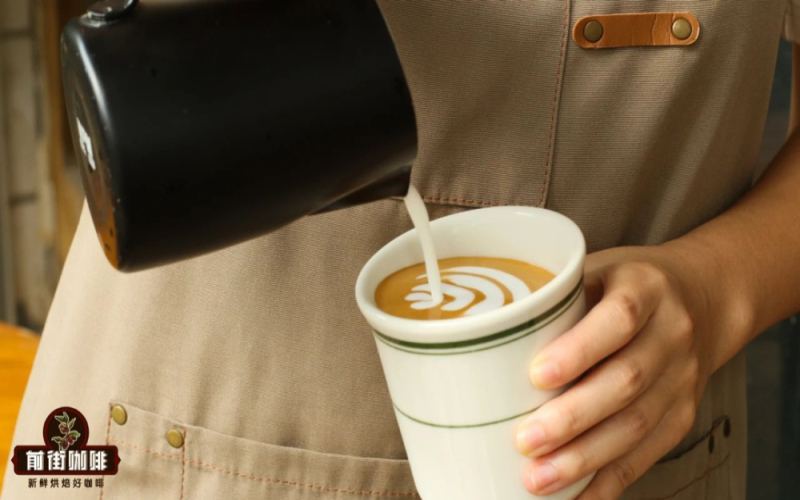
Ristretto (Italian-style extra-concentrated coffee) is still relatively unfamiliar to many people. It is closely related to the everyday Espresso, yet it presents a more concentrated and more intense flavor profile. This article will introduce you to the meaning and characteristics of Ristretto, explain how it differs from regular espresso in terms of extraction, and present two mainstream methods for making Italian-style extra-concentrated coffee. At the same time, the article will also share ideas for choosing coffee beans suitable for making Ristretto, including two recommended products, Front Street Classic Blend and Front Street Dark Cocoa Blend, to help you better master the essence of this rich small cup of coffee. [more…]
Making a latte with a moka pot: picking beans by roast level makes it easier to get a tasty result
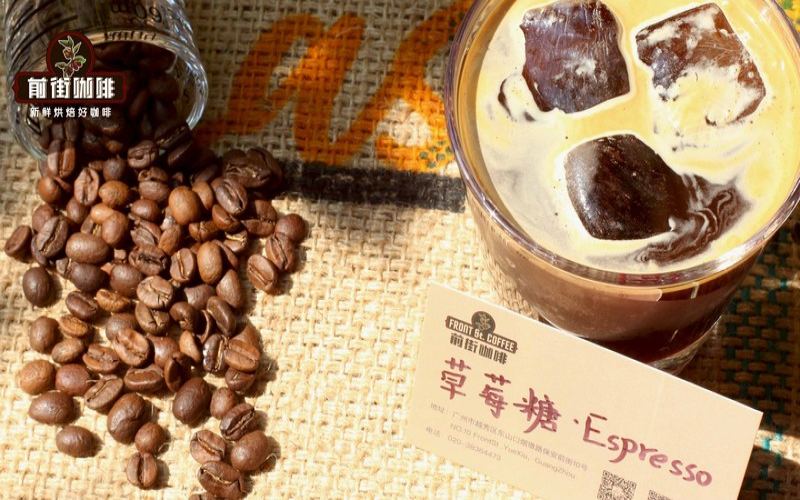
The coffee brewed from a moka pot has a concentration between pour-over and espresso. After adding milk, it needs to retain enough aroma and presence. To make a smooth latte, the roast level is a very useful screening clue: it affects the sweet-and-sour performance, the nutty and cocoa notes, the body, and also changes how clearly the coffee comes through in the milk. [more…]
A Guide to Light Roast SOE: Key Differences Between Single-Origin Espresso Beans and Pour-Over Beans
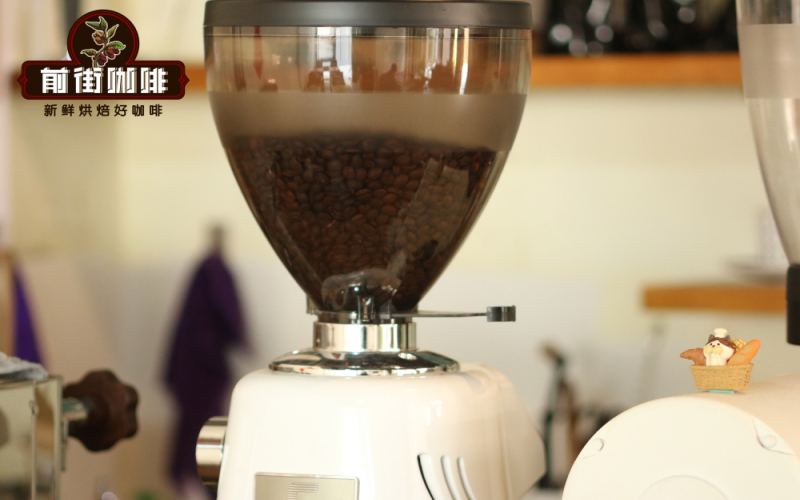
In recent years, SOE coffee has frequently appeared in the promotional materials of major coffee brands, becoming a hot topic in the specialty coffee world. SOE stands for Single Origin Espresso, emphasizing the pure expression of a region's flavor, in sharp contrast to traditional espresso blends. This article will start with the definition of SOE, analyze its essential differences from pour-over single origin beans, explore the extraction challenges faced in making light-roast SOE, and share Front Street Coffee's SOE-making tips and specific product recommendations, helping coffee lovers make a cup of SOE with clear flavor at home. [more…]
Analysis of the Vietnamese drip pot: Can it handle pour-over coffee brewing?
In coffee cultures around the world, almost every producing region has its own distinctive brewing device. The Vietnamese phin is one of the most representative examples—simple in structure and easy to use, it is an essential tool for making Vietnamese condensed milk coffee. This article begins with the phin's construction and historical origins, then explains its standard method of use in detail, and, drawing on Front Street Coffee's actual extraction parameters, explores an interesting question: can this drip brewing device be used for pour-over coffee? If you are interested in exploring the many ways to use brewing devices, why not follow along with Front Street and give it a try. [more…]
A Detailed Guide to Bean Selection and Preparation for Piccolo Latte: Key Points from Ratio to Final Product
In the large family of espresso drinks, different ratios of milk to espresso give rise to a wide range of varieties such as the latte, cappuccino, and flat white, while the piccolo latte is a miniature latte that is compact in size yet rich in content. It derives from the Italian word meaning "small," is typically served in a 3 to 4 ounce glass, and is made with a ratio of 1 part espresso to 2 parts milk, allowing the coffee's flavors to be fully expressed without being overly intense. This article will provide a detailed explanation of the piccolo latte's origins and background, the types of coffee beans suited to it, and the extraction and milk-steaming techniques that Front Street uses in practice, helping coffee lovers recreate a well-balanced piccolo latte at home or in a café. [more…]
Espresso Black Coffee | Where Does the Long Black Come From? Is the Long Black the Same as an Americano?
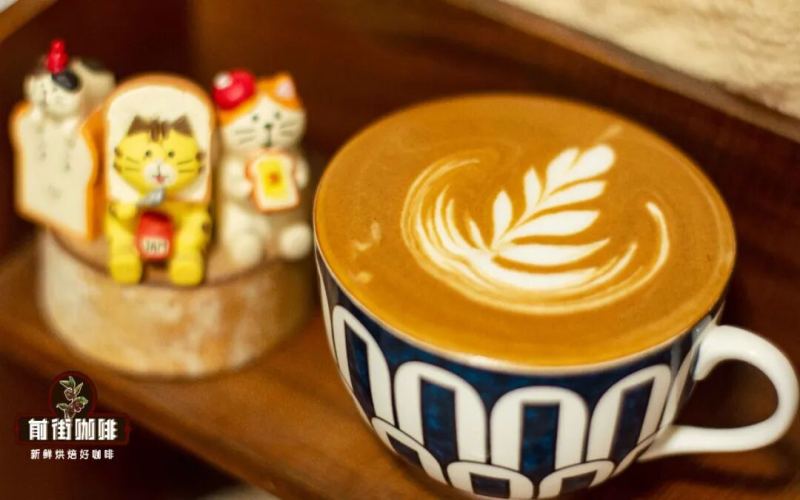
Last weekend, a customer came in with a friend to have coffee. As soon as they walked in, they ordered from Front Street Coffee, saying, "Give me an iced Americano. Can you make it a Long Black?" After hearing this special request, Front Street Coffee told them directly, "No!" At this, the customer looked puzzled. "Why don't you sell Lo [more…]
The Exclusive Espresso Base for Flat White: Definition, Extraction Principles, and a Detailed Guide to Two Brewing Methods
The reason why a flat white differs from a latte and a cappuccino lies not only in its delicate, thin microfoam, but more crucially in its base—Ristretto. However, opinions on the web about how to make a Ristretto vary widely, leaving many newcomers baffled. This article, from the perspective of Front Street, systematically sorts out what exactly a Ristretto is, its relationship with Espresso, and the two mainstream approaches to making it: one is to directly limit the yield and extract only the front and middle segments; the other is to adjust the grind finer and control the flow rate to build up concentration. The article will also analyze the pros and cons of each method, and why most coffee shops ultimately choose the former. [more…]
What exactly is the difference between a latte, a cappuccino, and a flat white? Can a flat white be made as an iced drink?
Latte, cappuccino, and flat white are the three most common espresso-based milk coffees in cafés. They all look like espresso plus milk, but each has its own tricks. This article will break down the essential differences among these three coffees one by one from four dimensions: cup size, coffee composition, milk foam thickness, and mouthfeel, helping you be clearer about what you want when ordering. At the same time, the article will also answer a common question: can a flat white actually be made iced? If you happen to have tried these coffees at Front Street Coffee, or want to understand their respective serving standards, this comparison will give you a clear reference. [more…]
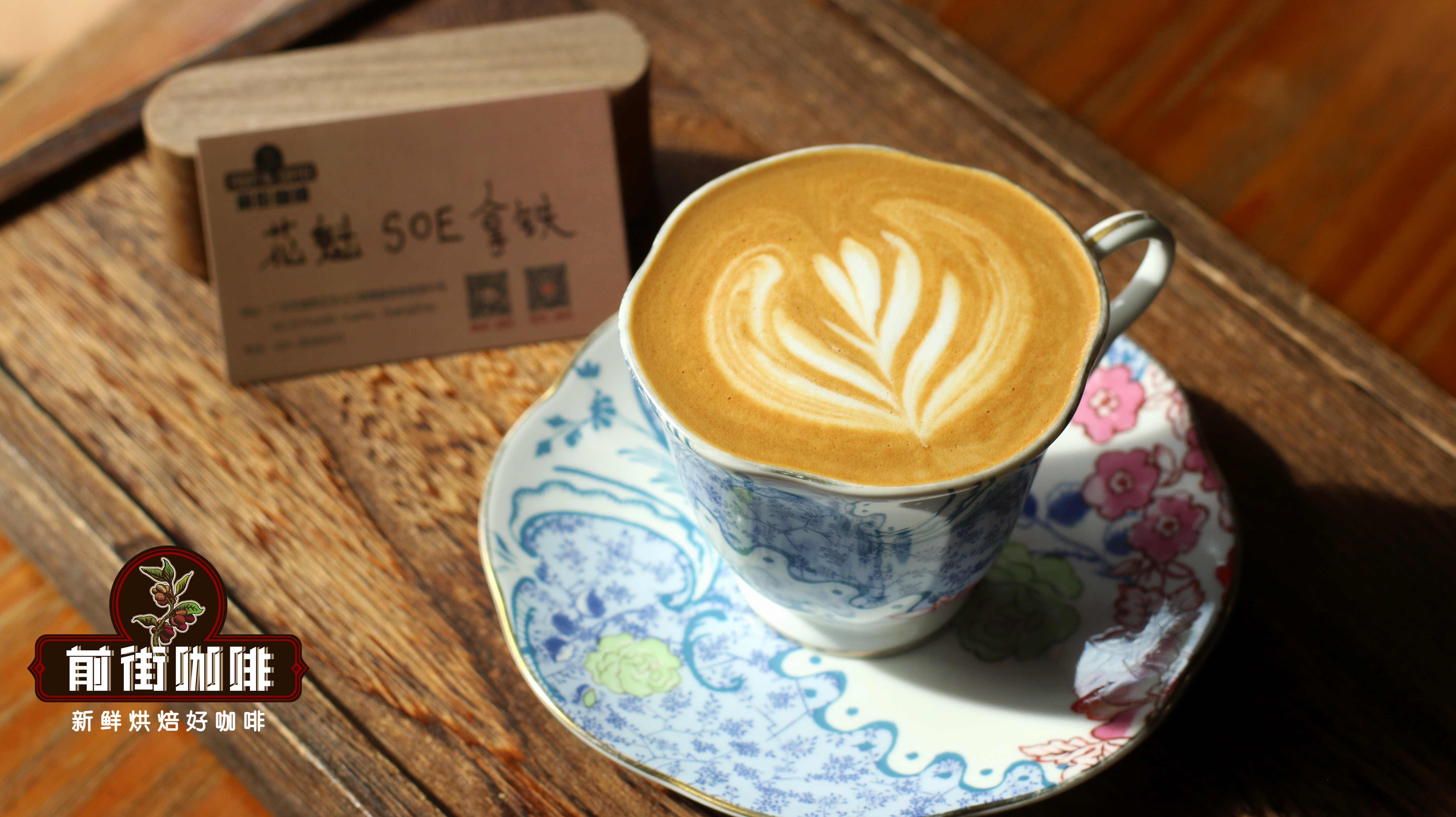
What exactly are SOE coffee beans? From bean selection to extraction, the standards and flavor story of a proper Espresso
SOE, short for Single Origin Espresso, refers to espresso made from coffee beans of a single origin. Its greatest charm lies in its ability to clearly present the terroir of the origin—one sip lets you identify where the beans come from, what variety they are, and what processing method was used. However, the high-temperature, high-pressure operation of an espresso machine multiplies and amplifies the flavors; when light-roasted beans are used for SOE, the fruity acidity can easily become sharp and astringent, so everything from bean selection to setting extraction parameters to pairing with drinks requires extra care. Compared with traditional blended beans, SOE indeed has a higher extraction threshold, and choosing the right single-origin bean often yields twice the result with half the effort. Starting from the characteristics and story of SOE, this article will sort out the extraction standards for a good Espresso, and, using three Front Street Coffee beans—Brazil Queen's Estate, PWN Golden Mandheling, and Huakui—as examples, share specific parameters and methods for making iced and hot Americanos and lattes. [more…]
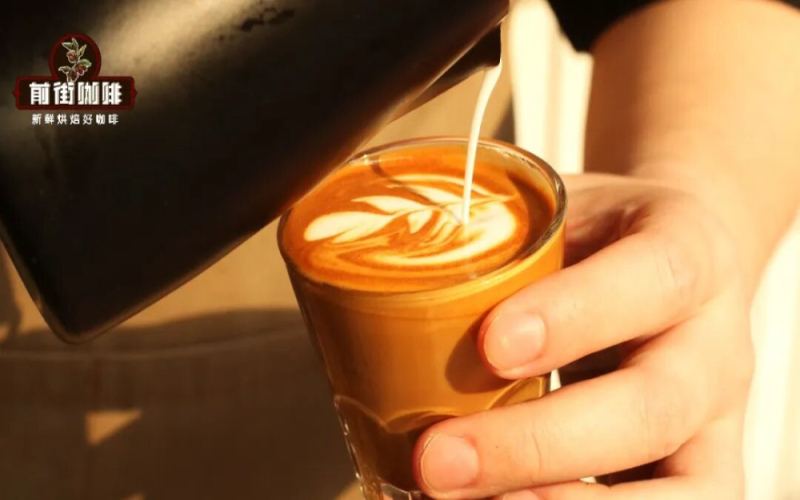
Piccolo, Cortado, and Gibraltar: What's the Difference Between These Three Easily Confused Small Milk Coffees? And Who Is Blue Bottle's Signature Milk Coffee?
On specialty coffee shop menus, lattes and flat whites are already familiar to many, but the piccolo, cortado, and Gibraltar—three small-volume milk coffees—often leave people confused. They look similar, are made in similar ways, and even many baristas easily mix them up. This article will break down the real differences between these three coffees one by one from the perspectives of origin, recipe, cup size, and flavor, and reveal which one Blue Bottle Coffee's signature milk coffee actually is. The article will also offer more specific tasting suggestions based on Front Street Coffee's blends and SOE bean options. [more…]